
The Benefits of Five-Axis Machining
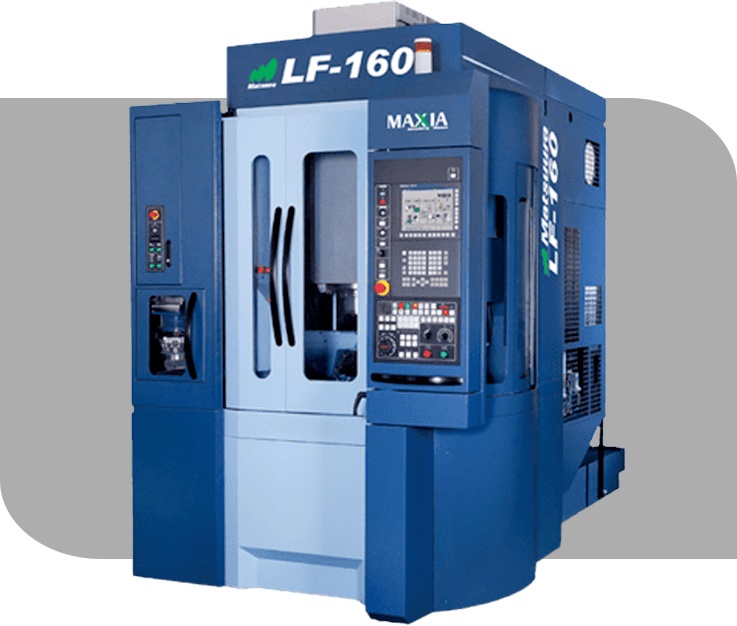
Enhanced Versatility and Design Freedom in 5-Axis Machining
One of the standout benefits of 5-axis machining is its enhanced versatility. CNC machines can operate with multiple processing axes, enabling complex manufacturing strategies. With 5-axis machining, two additional rotary axes are introduced, allowing the cutting tool to access more faces of a part in a single setup.
This increased dimensional freedom reduces the need for multiple setups, saving time and minimizing errors associated with repositioning. It also helps maintain datum alignment and improves feature-to-feature accuracy because critical surfaces can be machined without moving the part between different fixtures. As a result, manufacturers can produce complex geometries with greater consistency while also simplifying workflow planning and machine scheduling.
Superior Precision and Surface Finish
Precision is another critical advantage that 5-axis machining brings to the table. By moving the workpiece or cutting tool along five axes, manufacturers can machine multiple surfaces in one clamping and reduce tolerance stack-up that often occurs when parts are re-fixtured. This capability distinguishes 5-axis machining from conventional 3-axis or indexed setups.
This level of accuracy is especially valuable in industries where even microscopic deviations can affect performance or safety, such as aerospace or medical equipment manufacturing. Additionally, improved tool approach angles and shorter tool lengths often result in better surface finish and more consistent results across production runs.
Increased Efficiency and Reduced Production Costs
5-axis machining can improve efficiency in both production time and overall cost by consolidating operations that would otherwise require multiple machines or setups. In many cases, multi-axis machining strategies allow manufacturers to complete complex parts in fewer operations.
Because fewer fixtures and changeovers are required, manufacturers can shorten production cycles and reduce handling time while improving repeatability from part to part. Faster turnaround times combined with consistent quality allow companies to remain competitive in demanding markets while better meeting customer expectations.
Broader Material Compatibility
Another key benefit of 5-axis machining is the wide range of materials it can accommodate. From metals like titanium and aluminum to advanced composites and plastics, this technology can maintain accuracy across diverse material types when paired with the right tooling and machining strategy.
This flexibility empowers design engineers to innovate without being limited by traditional machining constraints. As a result, manufacturers can develop high-performance products that meet modern industry demands and adapt more easily to evolving material requirements.
The Role of 5-Axis Machining in Modern Manufacturing
5-axis machining represents a significant step forward when parts require complex geometry, tight feature relationships, or multi-sided machining in a single setup. Its versatility, precision, and ability to reduce re-fixturing make it a practical solution for industries seeking consistent results and streamlined production.
As demand for increasingly complex and sophisticated products continues to rise, adoption of 5-axis machining is expected to grow and strengthen its role in contemporary production processes. Contact High Tech Quality Manufacturing for manufacturing solutions today.