
Choosing the Right Materials
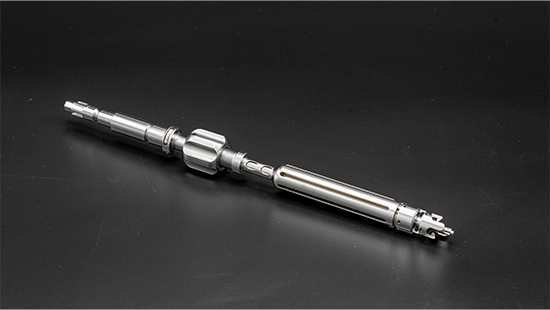
The selection of materials is a critical first step in the CNC machining process for medical components. Stainless steel is a popular choice, favored for its strength, durability, and biocompatibility. According to Mastercam, approximately four out of five medical devices are made from stainless steel because of its resistance to oxidation and its ease of machining. These properties ensure that stainless steel components can withstand the harsh environments in which many medical devices operate without degrading in performance. Additionally, the machinability of stainless steel means that precise and intricate designs can be executed with fewer complications, making it an ideal material for medical applications—especially when paired with advanced methods like CNC Swiss precision machining for small, complex parts.
Designing for Accuracy and Safety
Design precision is another cornerstone of efficient CNC manufacturing for medical parts. The use of advanced CAD (Computer-Aided Design) software allows engineers to create detailed models of the parts, ensuring exact specifications are met during production. Precision is crucial not only for the functionality of the device but also for patient safety. Any deviations from specified dimensions can lead to part failures or, worse, adverse events following surgical procedures.
Optimizing the CNC Process
Beyond material selection and design, process optimization significantly boosts the efficiency of CNC machining operations. This involves the careful planning and sequencing of manufacturing operations to minimize waste and machine downtime. Implementing high-speed machining techniques allows for faster material removal rates without sacrificing quality, which is particularly beneficial in reducing cycle times for production runs. Companies like High Tech Quality Manufacturing prioritize these optimization strategies to maintain consistent, high-level production standards.
Post-Processing and Quality Control
Post-processing and quality assurance are vital to the efficiency and success of CNC-machined medical parts. After machining, components often require finishing processes such as polishing or coating to meet specific medical standards and ensure biocompatibility. Rigorous quality checks should be implemented to detect any defects or irregularities at each stage of production. By employing automated inspection technologies, manufacturers can achieve consistent quality, reducing the likelihood of costly recalls or repairs. These steps further contribute to the overall efficiency of CNC production processes, ensuring that medical components reach the market quickly and reliably.
Advancing the Future of Medical CNC
Creating medical parts from CNC machining efficiently requires a comprehensive approach, starting from the careful selection of materials like stainless steel to the precise design and process optimization. As medical innovations continue to advance, the demand for highly accurate and reliable components will only increase. By focusing on these core aspects, manufacturers can produce high-quality medical devices that align with both industry standards and patient needs. The integration of advanced technologies in design and quality control further enhances the efficiency and effectiveness of CNC machining in the medical field, positioning leaders like High Tech Quality Manufacturing at the forefront of innovation.